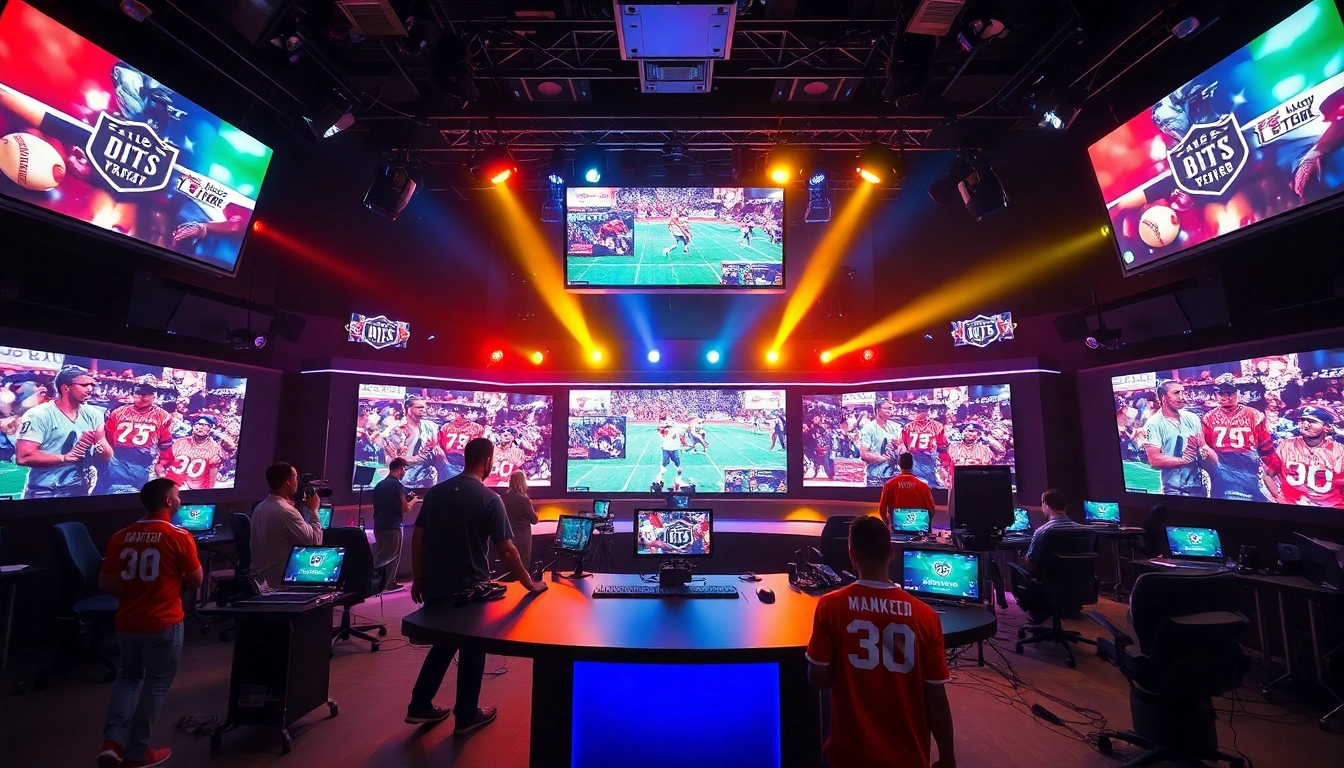
Understanding the Basics of Sports Broadcasting
Defining Sports Broadcasting
Sports broadcasting refers to the dissemination of sports events and related programming via various platforms, including television, radio, and online streaming services. It encompasses live coverage of events, analysis, commentary, and highlight shows. The aim is to bring sports entertainment to a wide audience, offering an enjoyable viewing experience. As technology advances, the reach of Sports Broadcasting has expanded, adapting to viewer preferences and behaviors.
Key Roles in Sports Broadcasting
Understanding the roles within sports broadcasting is crucial for effective management and production. Key positions include:
- Producers: They oversee the broadcast, making decisions on content, timing, and logistics.
- Directors: Responsible for the visual and audio quality of the broadcast, managing cameras and audio feeds.
- Commentators: Provide insightful analysis and commentary during live events. They bring context and excitement to the broadcasts.
- Reporters: They offer on-the-ground updates and interviews, keeping viewers informed on important developments.
- Technical Staff: Handle equipment and technology, ensuring that everything runs smoothly during live broadcasts.
Types of Sports Broadcasts
There are several types of sports broadcasts, each catering to different audience needs and preferences:
- Live Event Broadcasts: Coverage of games and competitions as they happen.
- Highlight Shows: Compilation of key moments from various events, providing a quick overview for those who missed the live action.
- Sports Talk Shows: Discussions and debates about recent events, player performances, and sports issues, often featuring expert guests.
- Documentaries: These provide in-depth looks at sports, teams, or historical moments, offering a rich narrative experience.
Technical Aspects of Sports Broadcasting
Essential Equipment for Sports Broadcasting
The quality of a broadcast heavily relies on the equipment used. Essential tools include:
- Cameras: High-definition cameras are crucial for capturing live action clearly. Some broadcasts use multiple cameras for different angles.
- Microphones: Quality microphones ensure clear audio, capturing commentary and atmospheric sounds effectively.
- Mixing Consoles: These are essential for balancing audio from different sources, including commentators and ambient noise.
- Video Switchers: Used to switch between multiple video feeds, enhancing the viewing experience with dynamic content.
- Graphics Software: Display scores, statistics, and other information during the broadcast, keeping viewers informed.
Broadcasting Software and Tools
In addition to physical equipment, various software tools play a crucial role in sports broadcasting:
- Video Editing Software: Allows for post-production edits to create highlight reels or promotional material.
- Streaming Software: Facilitates live streaming of events online, allowing broadcasters to reach wider audiences.
- Graphics Generation Tools: Used to create dynamic overlays and on-screen graphics that enhance viewer engagement.
- Monitoring Tools: Essential for overseeing the broadcast and ensuring all parts function seamlessly and on time.
Audio and Visual Techniques
Effective audio and visual techniques can significantly enhance the quality of sports broadcasts:
- Dynamic Camera Angles: Varying angles can add excitement, capturing the essence of the athletic performance.
- Slow Motion Replays: Highlight key plays, allowing viewers to absorb the action in detail.
- Enhanced Audio Effects: Utilize crowd noise, play-by-play commentary, and post-event interviews to enrich the viewing experience.
- Augmented Reality: Some broadcasts are incorporating AR to add graphics and layers of information, modernizing how sports are consumed.
Challenges in Sports Broadcasting
Managing Live Events
Managing live events presents unique challenges, as they require real-time decisions and flawless execution. Timeliness, coordination among teams, and the ability to adapt to unexpected circumstances are key aspects of successful live sports broadcasting.
Dealing with Technical Failures
Technical failures can disrupt the broadcast, leading to frustration among viewers. Preparedness, including backup systems and trained technical staff, is vital to mitigate these risks, ensuring a smooth viewing experience.
Audience Engagement Issues
Keeping viewers engaged is an ongoing challenge in sports broadcasting. Content must be both informative and entertaining. Creating interactive segments, leveraging social media, and responding to viewer feedback can help to improve engagement levels.
Best Practices for Effective Sports Broadcasting
Creating a Compelling Narrative
A compelling narrative can captivate audiences, transforming a simple game into an engaging story of rivalry, achievement, and drama. Broadcasters should focus on building storylines around teams and players to enhance the viewing experience.
Leveraging Social Media
Social media is a powerful tool for engaging with fans. It can be used to provide live updates, behind-the-scenes content, and interact with viewers in real-time. Engaging storytelling on platforms like Twitter, Facebook, and Instagram helps to build community and deepens the audience’s connection to the sport.
Maintaining Broadcast Ethics
Ethical considerations in sports broadcasting include honesty, integrity, and respect for all participants. Maintaining transparency and fairness is important, ensuring all coverage is unbiased and focuses on the spirit of the sport.
Future Trends in Sports Broadcasting
Impact of Streaming Platforms
Streaming platforms have transformed the landscape of sports broadcasting. Accessibility, flexibility, and personalized viewing experiences are leading more fans to prefer streaming over traditional television. This trend indicates a shift in how rights are negotiated and how content is consumed over time.
Emerging Technologies
Emerging technologies such as 5G, virtual reality, and artificial intelligence present opportunities for innovative broadcasts. 5G technology enhances mobile streaming quality; virtual reality provides immersive experiences, and AI can analyze data in real-time, offering insights that enrich viewer experiences.
Changes in Viewer Habits
As consumer behavior evolves, sports broadcasters must adapt to meet changing expectations. Viewers are increasingly seeking personalized content and instant gratification through on-demand viewing options. Understanding these habits will be crucial for future strategies.
Frequently Asked Questions
What is sports broadcasting?
Sports broadcasting involves transmitting sports events and related programming through various platforms like television, radio, and online streaming.
What roles are essential in sports broadcasting?
Key roles include producers, directors, commentators, reporters, and technical staff, each vital to successful broadcasts.
What equipment is necessary for sports broadcasting?
Essential equipment includes cameras, microphones, mixing consoles, video switchers, and graphics software for high-quality broadcasts.
How do broadcasters engage audiences effectively?
Broadcasters engage audiences by creating compelling narratives, leveraging social media, and maintaining high ethical standards.
What are the future trends in sports broadcasting?
Future trends include the impact of streaming services, advancing technologies, and changing viewer habits toward on-demand content.